
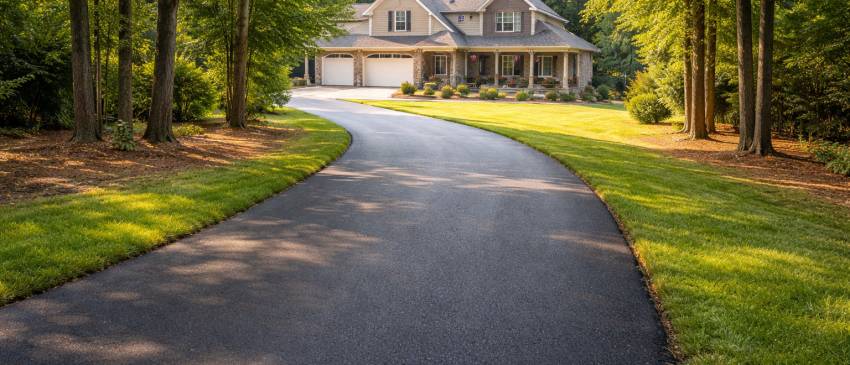
2026 Albemarle, NC Paving Guide
Asphalt & Tar-and-Chip Planning, Preparation, and Maintenance
If you’re planning a paving project in Albemarle, North Carolina in 2026, proper planning and material choice can make the difference between pavement that lasts a decade and pavement that fails early. This guide breaks down the most important considerations for homeowners and property managers, including material options, timing, site preparation, common permit requirements, and maintenance best practices.
Call or Text (828)900-5001

Best Time to Pave in Albemarle
Albemarle experiences humid summers and mild to cool winters. Warm, dry conditions are ideal for paving, so timing your project when the weather is stable will improve the quality and durability of your pavement.
In general, late spring through early fall offers the warm temperatures and lower rainfall that help asphalt and tar & chip bind properly and cure.
Asphalt vs Tar & Chip: Choosing the Right Surface
Asphalt
Overview: Hot Mix Asphalt (HMA) is a widely used paving material known for a smooth, durable surface.
Best for:
-
Residential driveways
-
Commercial parking lots
-
Areas with regular vehicle traffic
Pros:
-
Smooth finish
-
Good for vehicles and foot traffic
-
Can be sealed for extended life
Cons:
-
Higher initial cost than tar & chip
-
Requires proper base and drainage to avoid cracking
Asphalt is often the preferred choice for driveways and parking areas where appearance and smoothness matter.
Tar & Chip
Overview: Tar & chip (also called chip seal) is a surface where hot binder is sprayed and aggregate stone is embedded immediately.
Best for:
-
Long rural driveways
-
Private lanes
-
Areas where a natural textured finish is acceptable
Pros:
-
Cost-effective for long drives
-
Great traction
-
Rustic aesthetic
Cons:
-
Stone may loosen initially
-
Not as smooth as asphalt
Tar & chip is a practical option for longer stretches of road or areas where a harder, textured surface is preferred.
Site Preparation: What Really Matters
Proper site prep is one of the biggest factors in pavement longevity. The surface will only last as long as the base beneath it.
Grading and Drainage
Before laying pavement, the ground must be graded so water drains away from the surface. Standing water under pavement leads to potholes and base failure. Whether your project is asphalt or tar & chip, a strong sub-base and drainage plan are essential.
Base Strength
The sub-base typically consists of compacted crushed stone or aggregate. This layer supports the pavement and helps distribute weight. Poor base work is the most common cause of early pavement failure.
Permits and Regulations in Albemarle & Stanly County
If your driveway or paved area connects to a public road, especially a state-maintained highway, you may need a driveway access permit. The North Carolina Department of Transportation (NCDOT) handles permits for access onto state roads. Confirm whether your connection point requires a permit before construction begins.
For work that involves changes to drainage, grading, or proximity to property lines, local county or city permits may apply. When in doubt, check with the Stanly County inspections office or your contractor to ensure compliance.
What to Expect on Paving Day
On the day of installation:
-
Final site check – The contractor verifies slopes, base condition, and measurements.
-
Preparation – Final grading and rolling of sub-base.
-
Paving – Asphalt is laid and compacted, or tar & chip binder and stone are applied.
-
Clean-up and cure – Equipment removed, final checks done.
Proper timing and coordination with weather conditions help ensure the material binds and cures correctly.
Maintenance Tips for 2026 and Beyond
Once your pavement is installed, maintenance is key to long-term performance.
Asphalt Maintenance
-
Sealcoating: Applying a sealcoat every few years slows oxidation and prolongs life.
-
Crack sealing: Address cracks early to prevent water infiltration.
-
Edge care: Edges can fail first if not supported or protected from heavy loads.
Tar & Chip Maintenance
-
Loose stone management: Some stones may loosen early; sweep or roll them as recommended.
-
Spot repairs: Fill areas where stone becomes thin over time.
-
Keep surface clean: Remove debris so stone stays set.
Regular inspections, especially after heavy rain or winter conditions, help catch issues early before they worsen.
Common Questions
Do I need a permit to pave my driveway in Albemarle, NC?
Not always—but if the driveway connects to a public road, especially a state highway, an NCDOT driveway access permit may be required. Always confirm requirements in advance.
Which material lasts longer—tar & chip or asphalt?
Both can last many years when installed correctly. Asphalt generally offers a smoother, more durable surface when properly maintained. Tar & chip can be a cost-effective choice for long or rural driveways.
What’s the biggest cause of pavement failure?
Poor drainage and base preparation are the most common reasons for early pavement issues.
Planning Ahead for 2026
Booking your paving project early in the year can secure better scheduling options during ideal weather windows. By preparing your site, choosing the right surface, and planning maintenance, you’ll set your pavement up for long service life.
If you’re ready to start planning, talk with a qualified paving contractor who understands local soils, drainage issues, and material performance in the Albemarle area.
Call or Text (828)900-5001

No Comments
Be the first to start a conversation